
The complete guide
Buying Guide
Toss it on, buckle it up, done
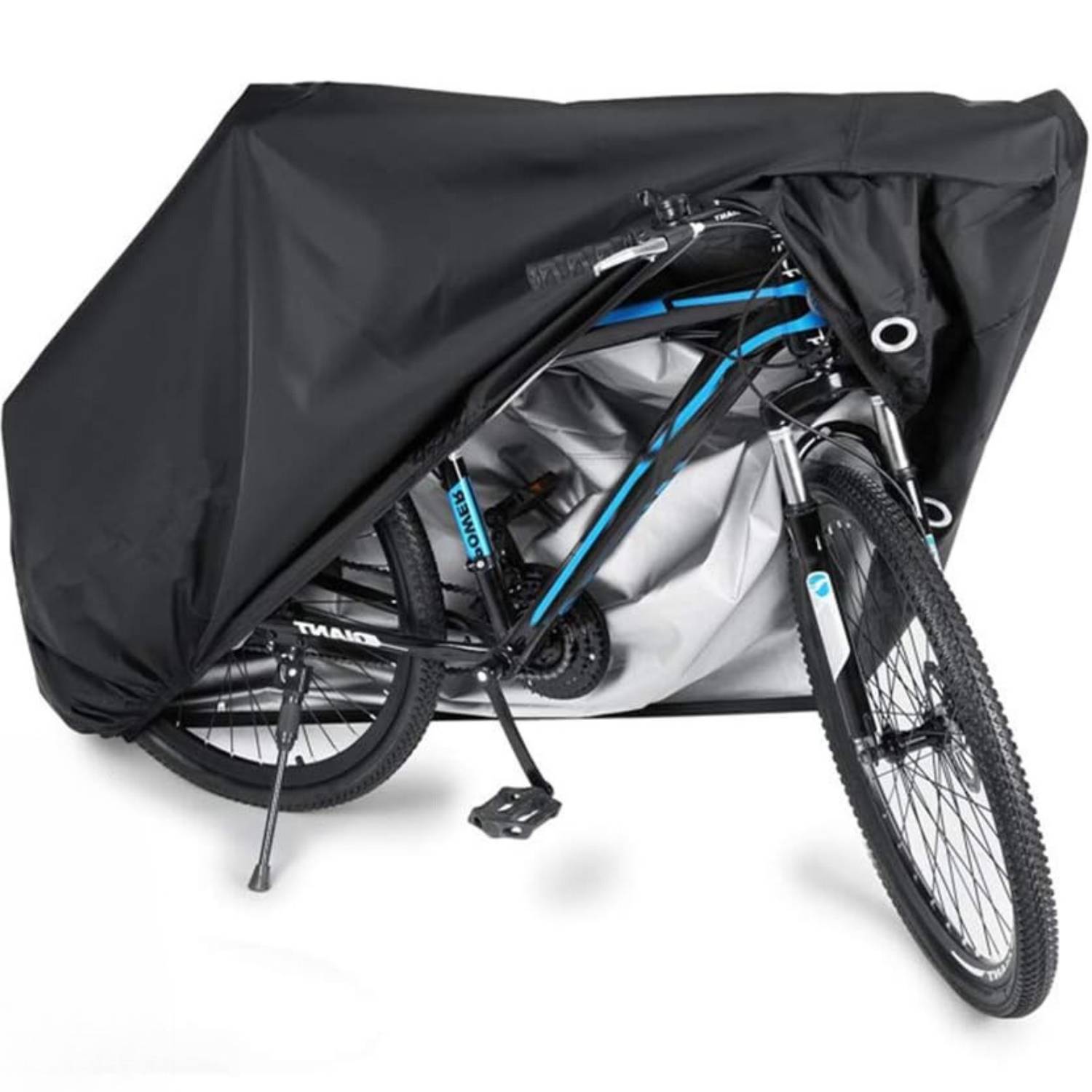
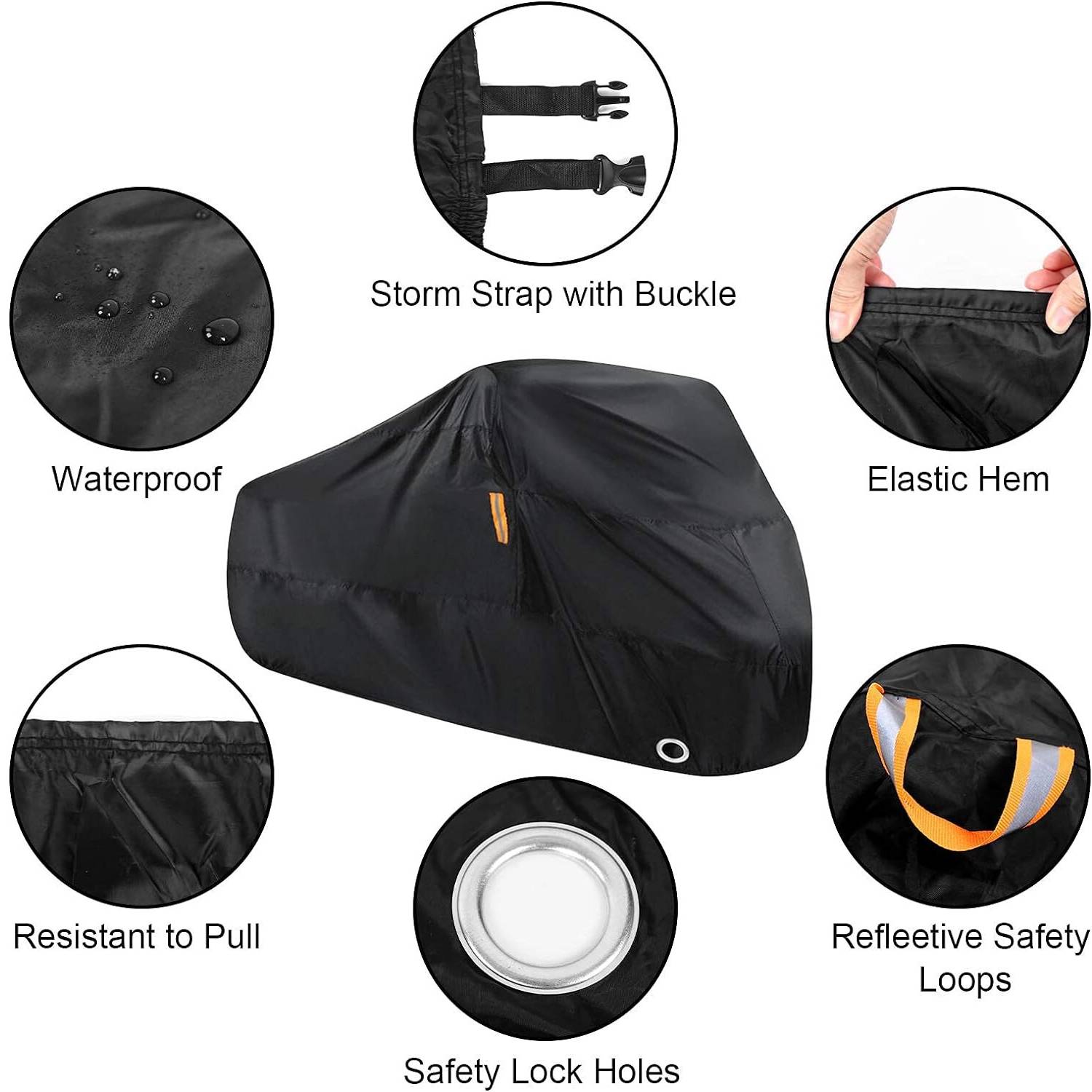
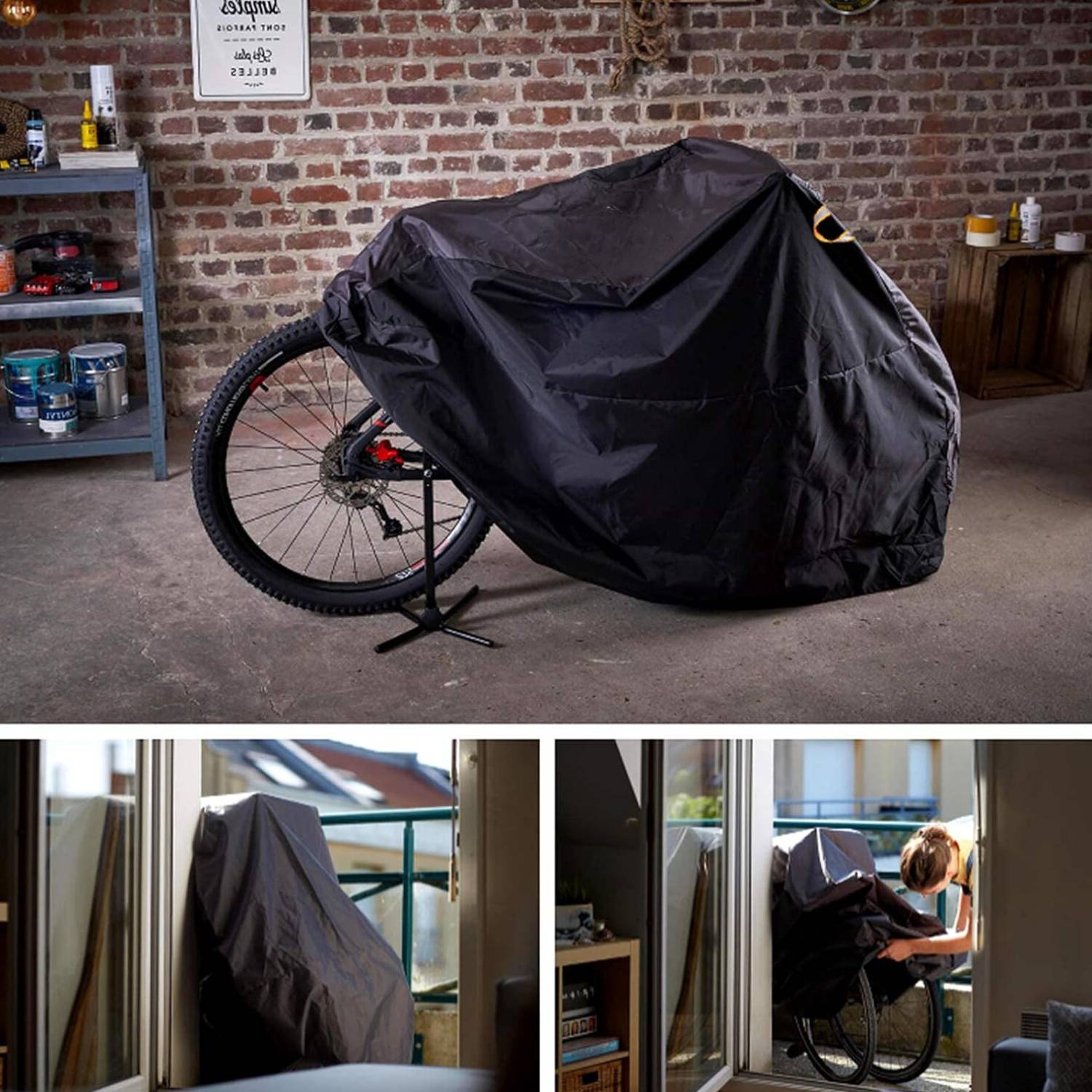
The elastic design is the reason this gets used rather than left in a garage. You throw it over, buckle it and walk away.
Reflective safety loops mark where the handlebar ends are, so getting the cover off is quick and you are not feeling for a shape in the dark.
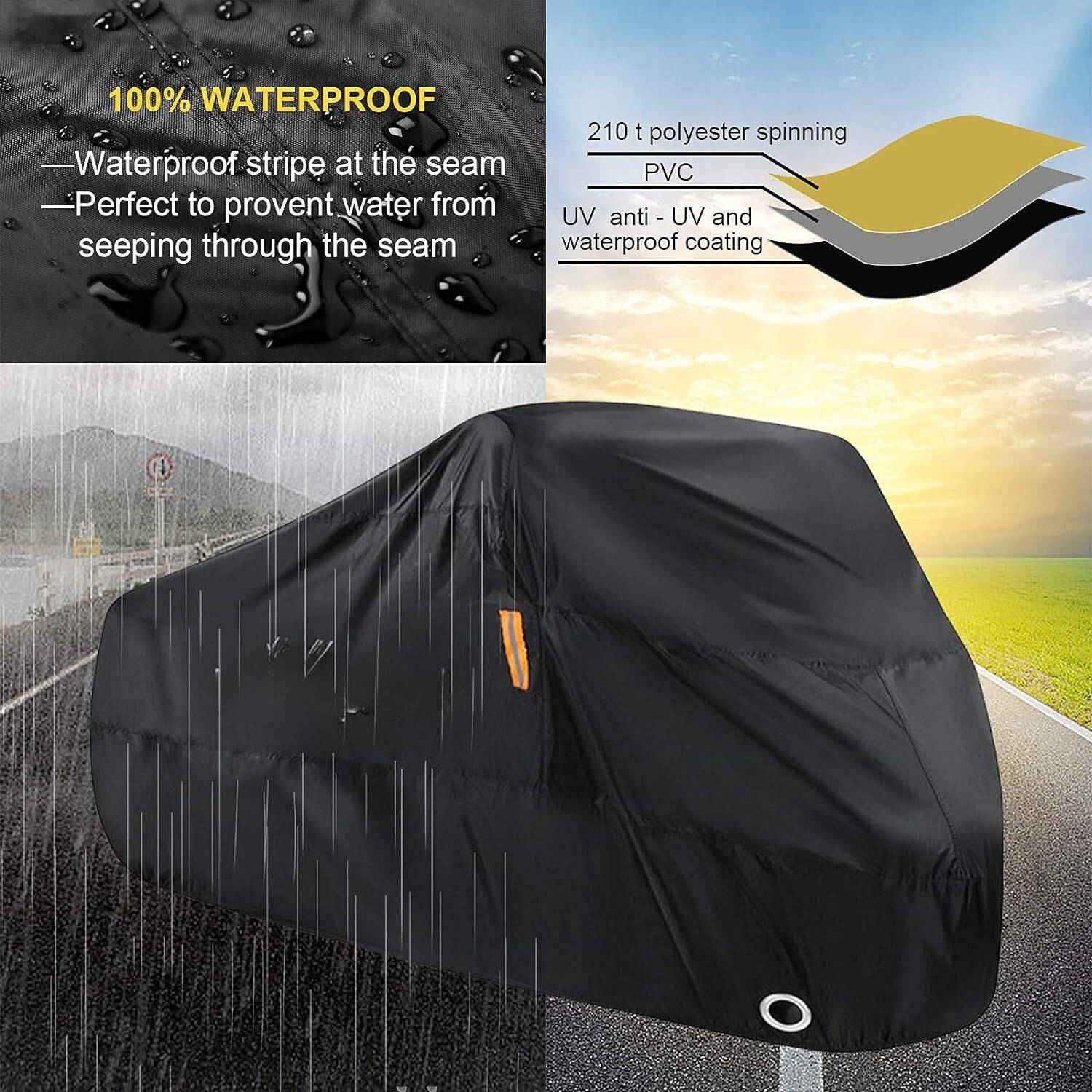
210T nylon is a real difference rather than a marketing number. A thinner 190T cover tears at the first snagged brake lever.
The lock hole at the front is what turns a cover into part of a security routine: the bike stays covered and locked at the same time.
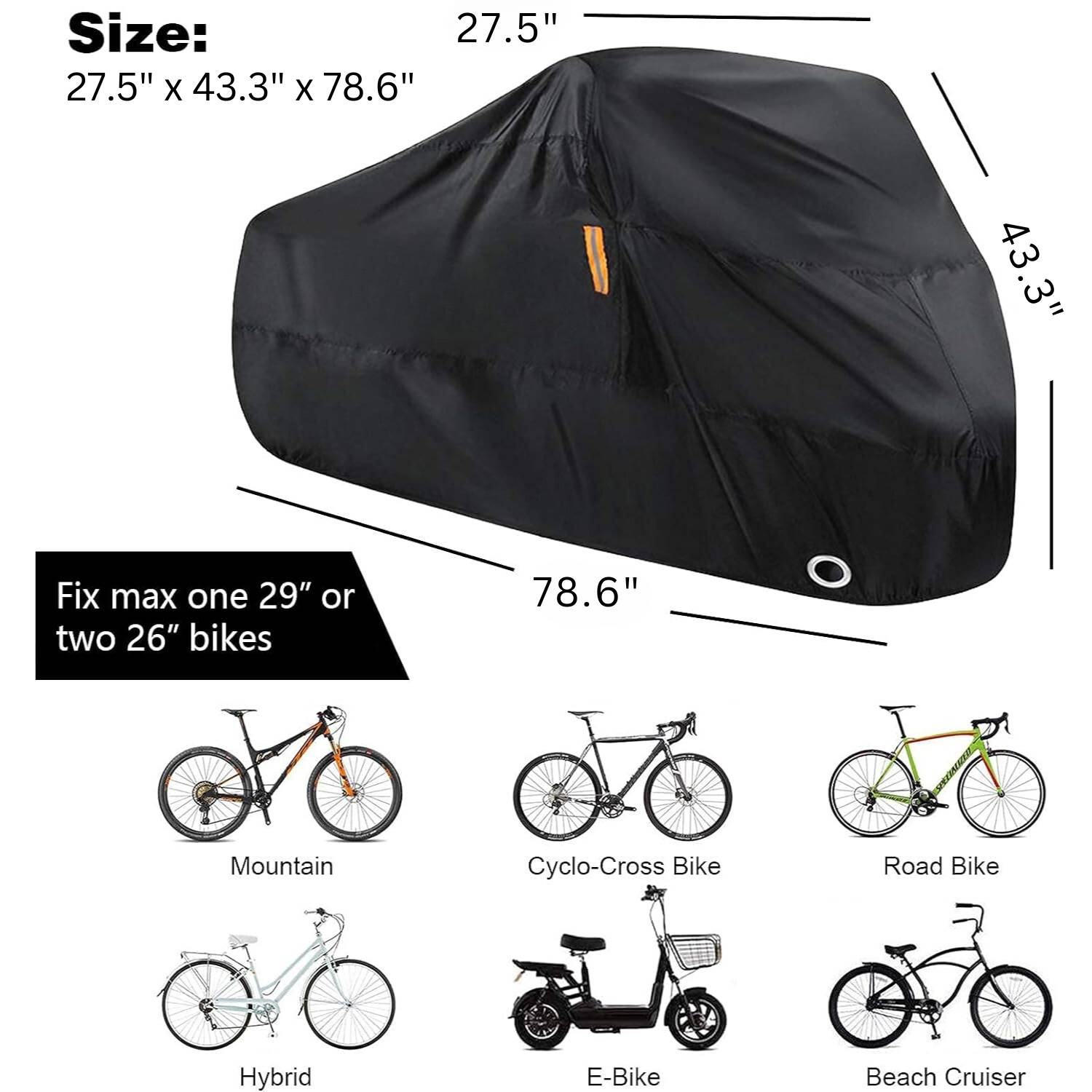
It suits mountain bikes, beach cruisers, mopeds and bikes with baskets, baby seats or racks, which is where a tightly cut cover usually fails.
Waterproof Bike Cover: Protecting Your Ride Come Rain or Shine
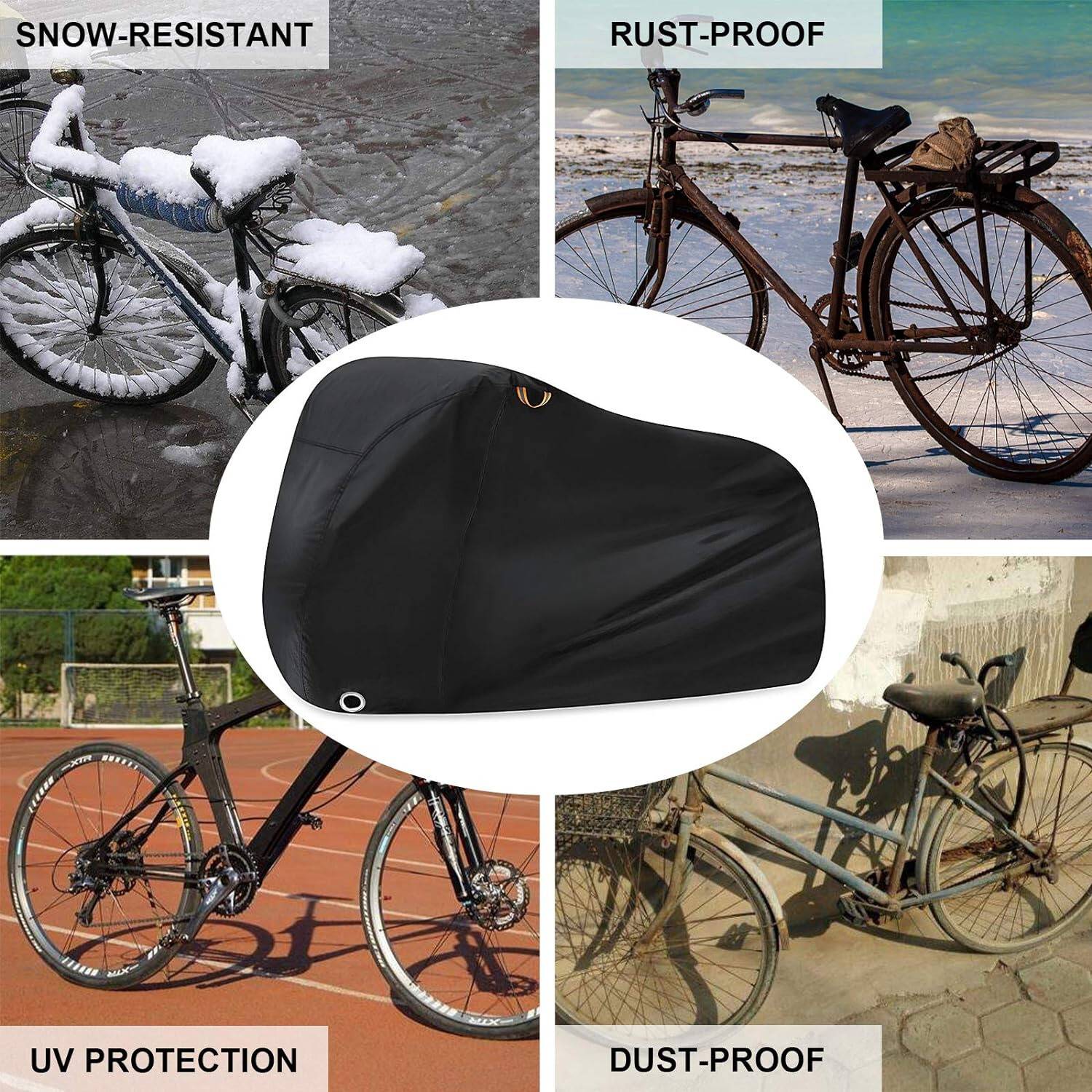
Owning a bicycle can bring joy and convenience to your life, whether it's for daily commuting, recreational rides, or a passion for cycling. To ensure your trusty steed remains in tip-top shape, rain or shine, a waterproof bike cover is a must-have accessory. In this blog post, we'll delve into the world of waterproof bike covers, exploring their benefits and how they safeguard your bicycle from the elements. 1. The Necessity of a Bike Rain Cover A waterproof bike cover, often referred to as a bicycle cover or bike rain cover, is a simple yet effective solution to protect your bike from various environmental factors. Let's look at why you should invest in one: a. Weather Protection: Whether it's rain, snow, or intense sunlight, a waterproof bike cover shields your bicycle from the elements, preventing rust, sun damage, and water-related issues. b. Security: Besides protection, a cover can deter potential thieves and keep your bike hidden from prying eyes. c. Longevity: By shielding your bike from harsh conditions, a cover can extend the life of your bicycle and reduce maintenance costs. d. Cleanliness: A cover keeps your bike clean and free from dirt, dust, and bird droppings, making it ready for a ride at any time. 2. Types of Bike Covers There are various types of bike covers available, including: a. Universal Covers: These are designed to fit most standard bicycle sizes and types. b. Custom-Fit Covers: These are tailored to specific bike models, ensuring a snug fit. c. Foldable Covers: Lightweight and portable, foldable covers are easy to carry and store. d. Lockable Covers: Some covers come with built-in locking mechanisms for added security. 3. Choosing the Right Waterproof Bike Cover When selecting a bike cover, consider the following factors: a. Size: Ensure the cover fits your bike comfortably, without being too tight or loose. b. Material: Opt for durable, waterproof materials like polyester or nylon. c. Ventilation: Look for covers with ventilation to prevent moisture buildup. d. Security Features: If theft is a concern, choose a cover with locking capabilities. 4. Proper Usage and Maintenance To get the most out of your waterproof bike cover, here are some usage and maintenance tips: a. Secure Straps: Ensure the cover has secure straps or drawstrings to prevent it from blowing away in strong winds. b. Cleanliness: Regularly clean the cover to remove dirt, dust, and debris. c. Storage: When not in use, store the cover in a dry place to prevent mold or mildew. 5. Conclusion: Your Bike's Best Friend A waterproof bike cover is a small investment that can make a big difference in preserving the condition of your bicycle. Rain or shine, these covers offer protection from the elements, ensuring that your bike is always ready for your next adventure. Whether you're a daily commuter, an avid cyclist, or simply a bike enthusiast, a high-quality waterproof bike cover is an essential accessory to keep your two-wheeled companion in excellent shape.